Phase 1
Learning at Phase 1
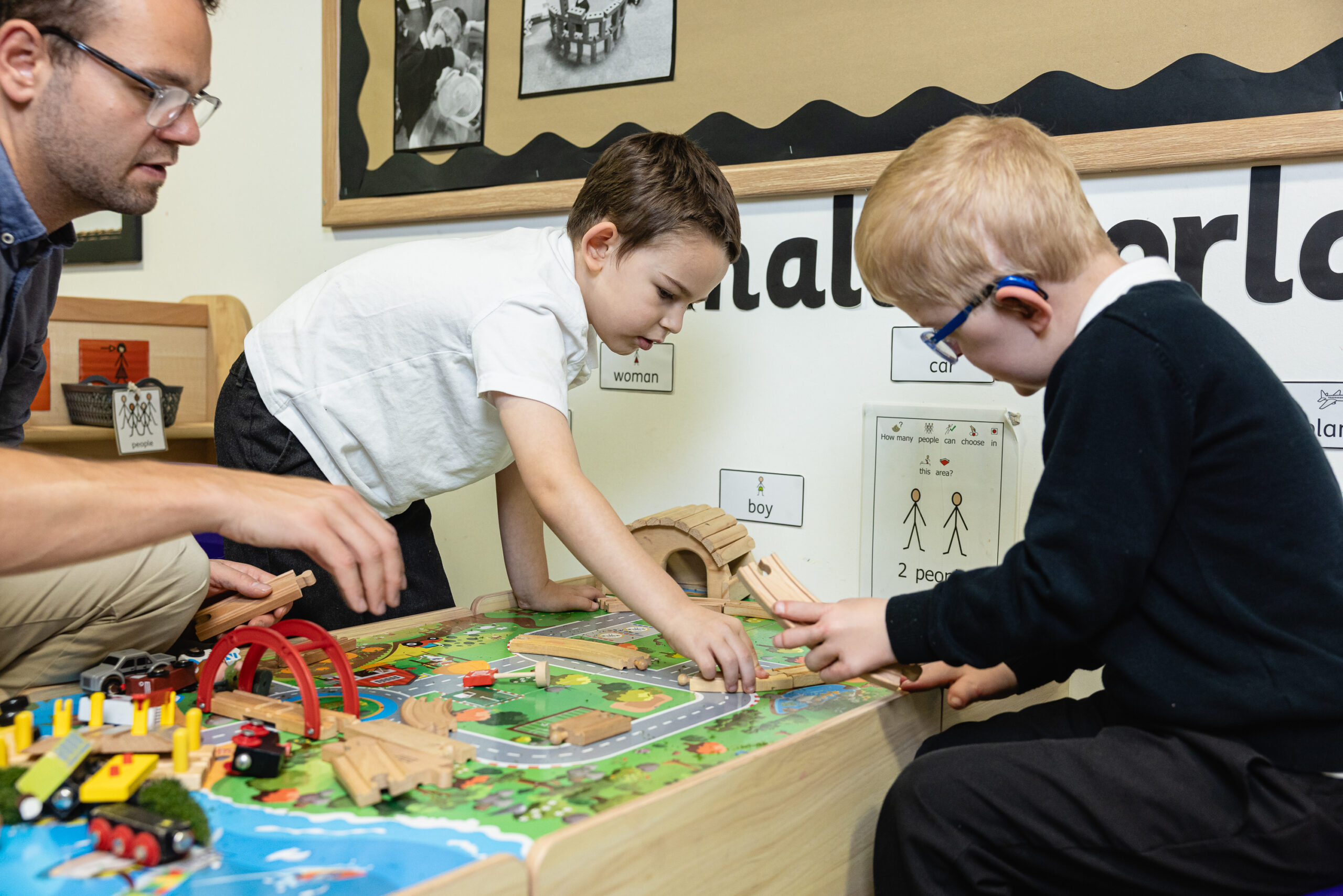
In phase 1 the curriculum is based on the early years framework. Our curriculum is divided into topics throughout the year that are designed to give pupils a breadth of experiences and teaching they need in order to meet the seven areas of learning.
Pupils receive teaching in phonics, literacy, maths and topic. They have a specialist teacher for PE. They are also given opportunities throughout the school day to access continuous provision in the classroom to engage in child initiated learning, allowing them to lead their own learning, explore interests, and promote independence.
For those learners who are not yet ready to access the phase 1 curriculum, our pre-phase 1 learners focus on communication, speech and language, emotional literacy and sensory regulation in order to embed school structures and routines.
Phase 2 & 3
Maths
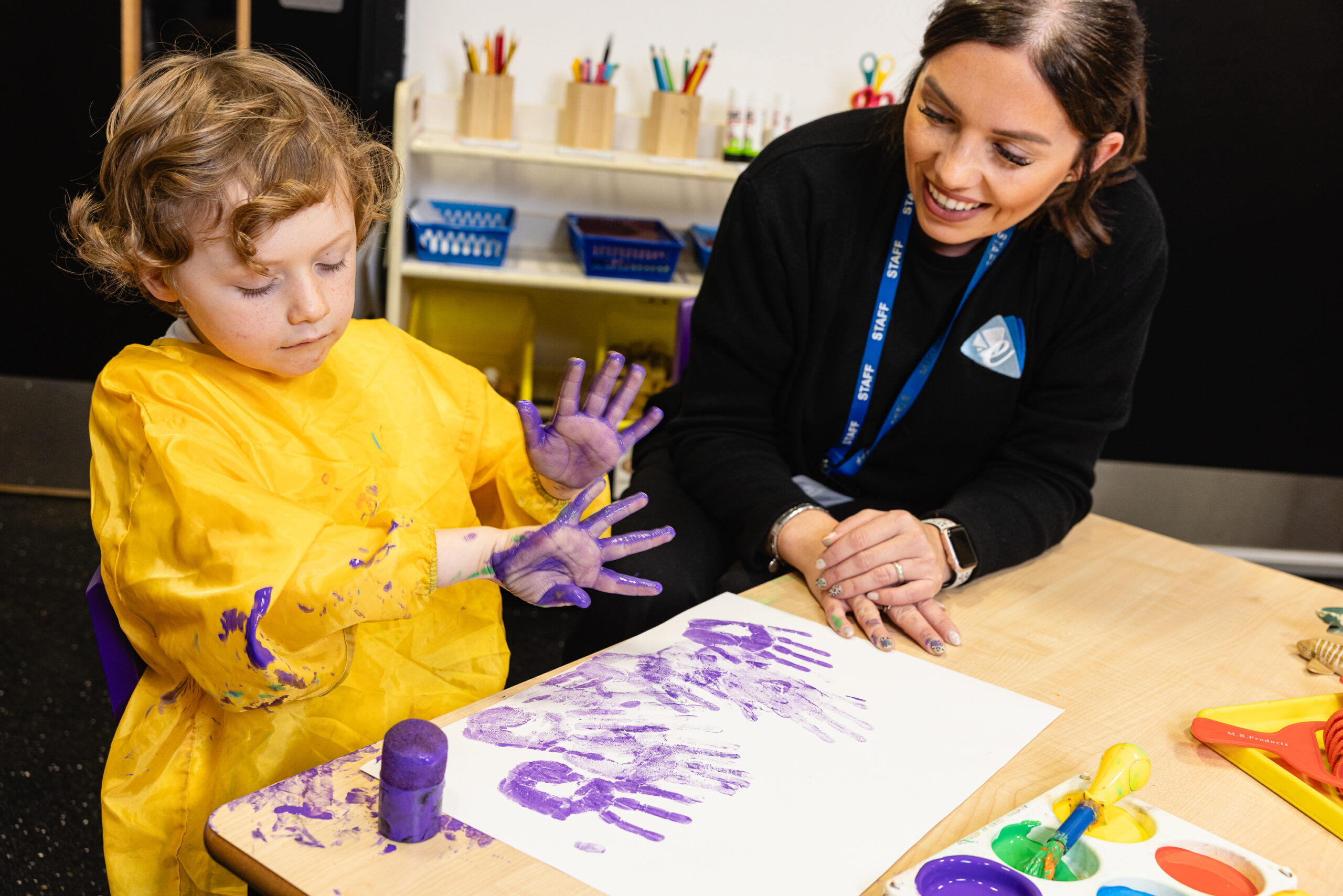
In maths, objectives are based on National Curriculum yearly expectations, but are taught when students are ready to access them, rather than by their age. We use practical resources such as Numicon to enhance lessons, whilst also ensuring content has real life aspects, practical application and problem solving.
English
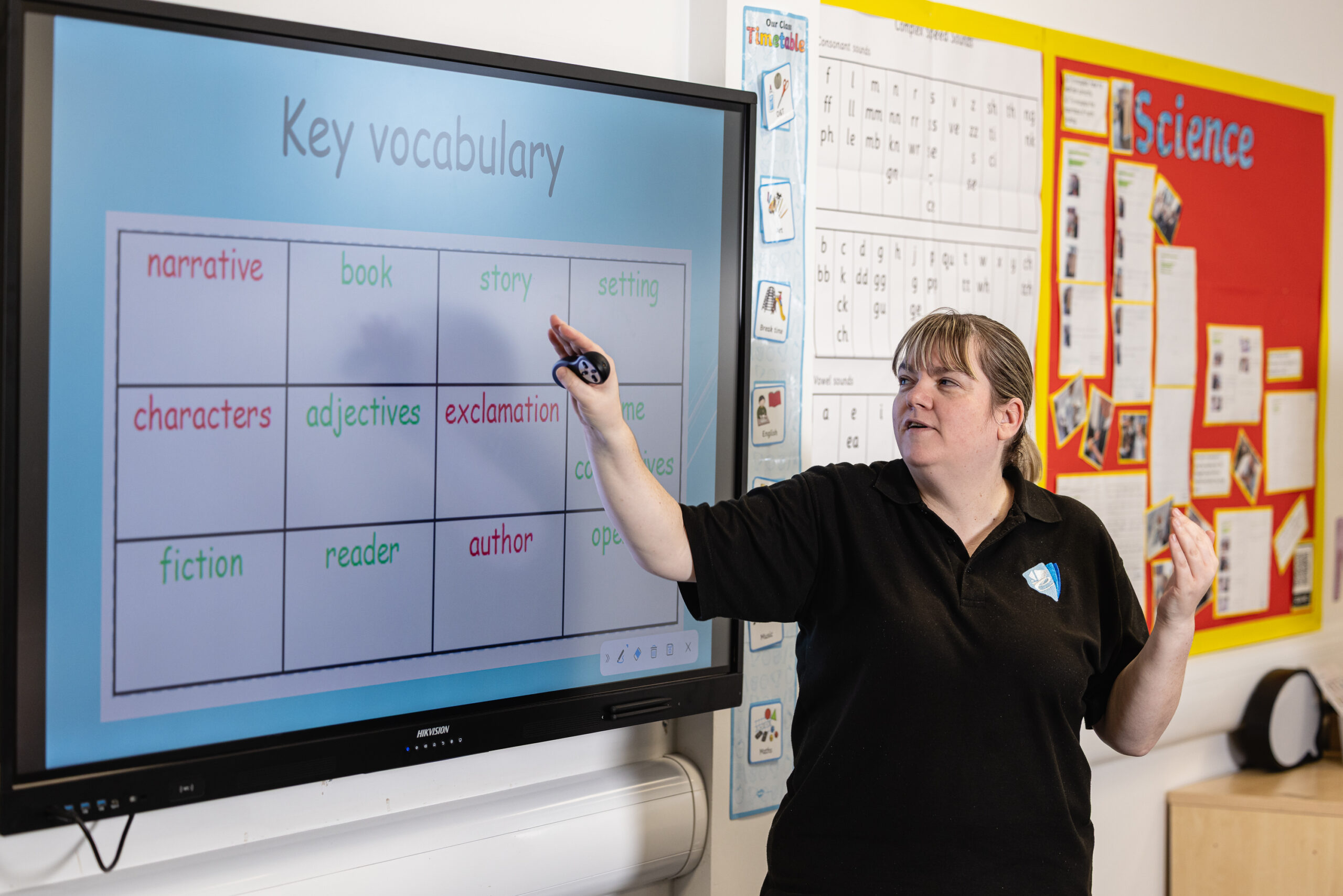
In English, objectives are based on National Curriculum expectations but are taught when students are ready to access them rather than by their age. We follow the Read Write Inc phonics program alongside our scheme of work. Reading and writing are embedded across all subject areas to allow students lots of opportunities to apply the skills they have developed in English.
Science
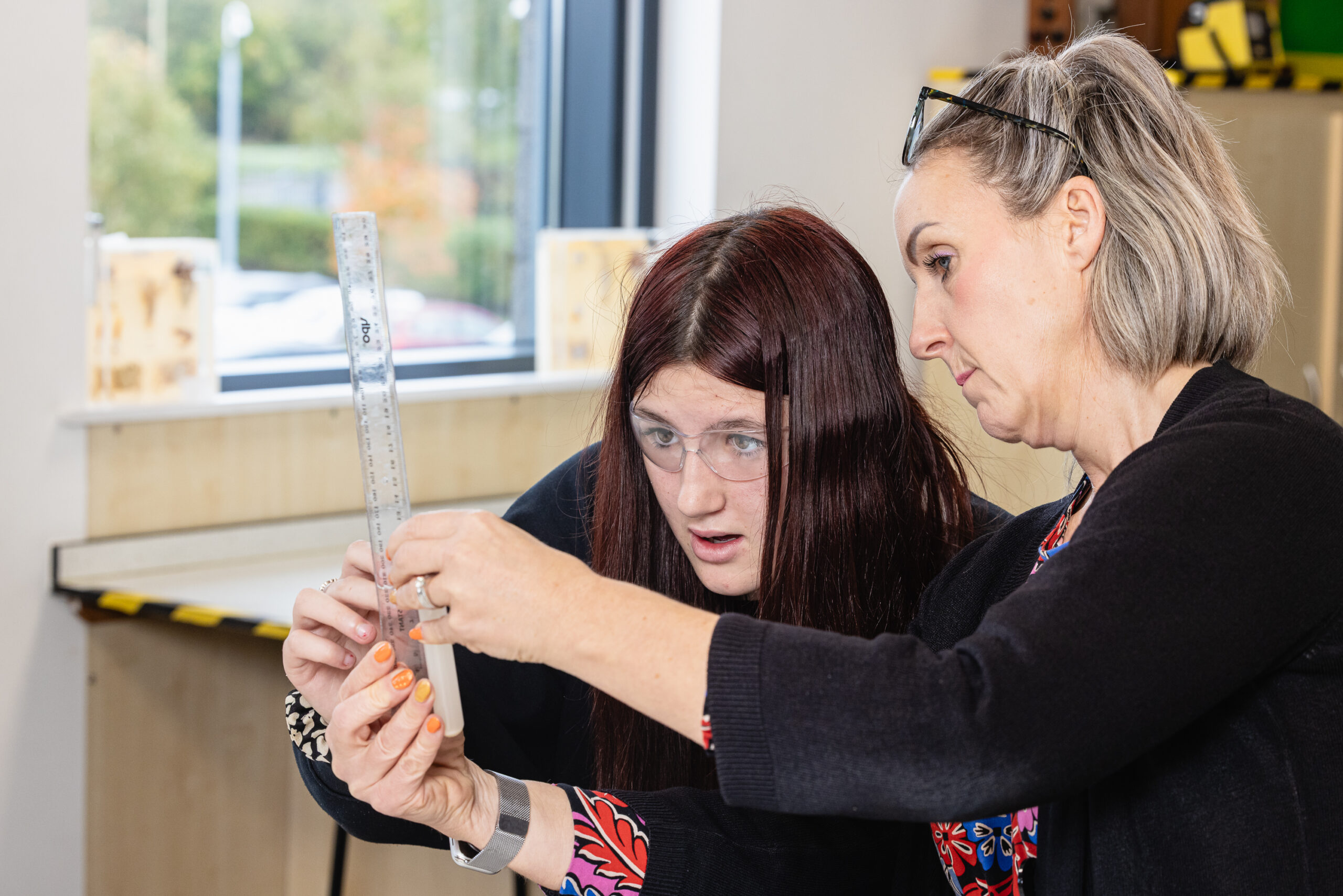
Students at Epinay follow a science curriculum which has been tailored to provide engaging and relevant science so that they may become safe and responsible citizens in the modern world. In phases 2 to 3, students learn about the world around them, plants and animals, and materials and forces. In phase 4, students undergo an Entry Level Certificate in Science, which builds on these themes and assesses students’ experimental thought and practical skills.
Art and DT
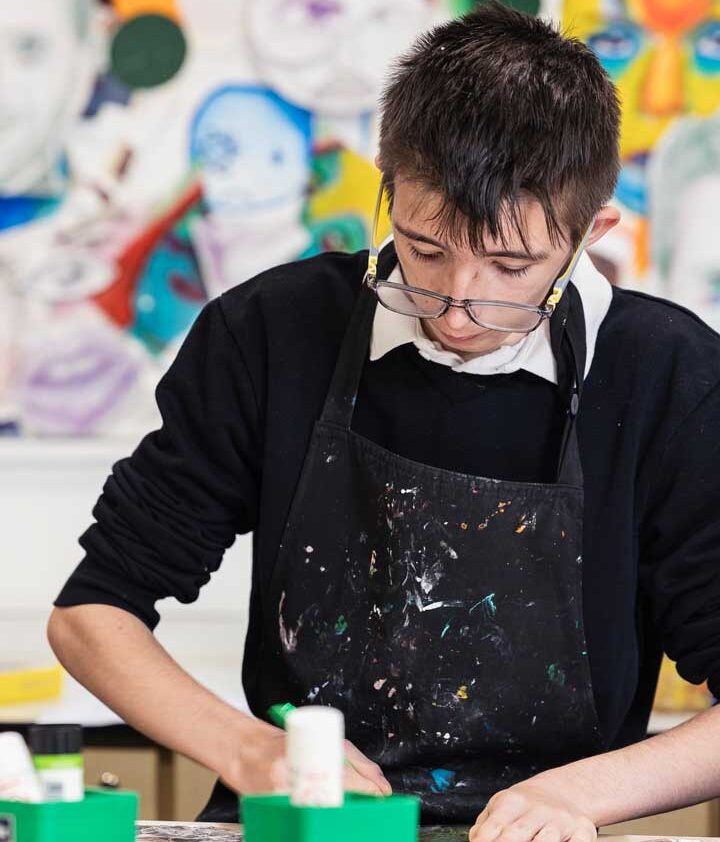
At Epinay, students follow a fun and engaging curriculum in Art, where they develop a broad range of skills across different creative strands. These include drawing, painting, ceramics, printing, textiles and mixed media. Every project that students participate in, follows the fundamental creative scaffolding; Introduce and research, experiment, develop and prepare, apply, and evaluate.
The DT curriculum at Epinay School focuses on creativity, problem solving and developing a broad range of practical skills. Students are introduced to the design process and developing basic practical skills in Phase 1. This is further developed during Phases 2-3.
For the majority of the projects, students explore the same topic/starting point for both Art and DT to allow students greater exploration.
ICT
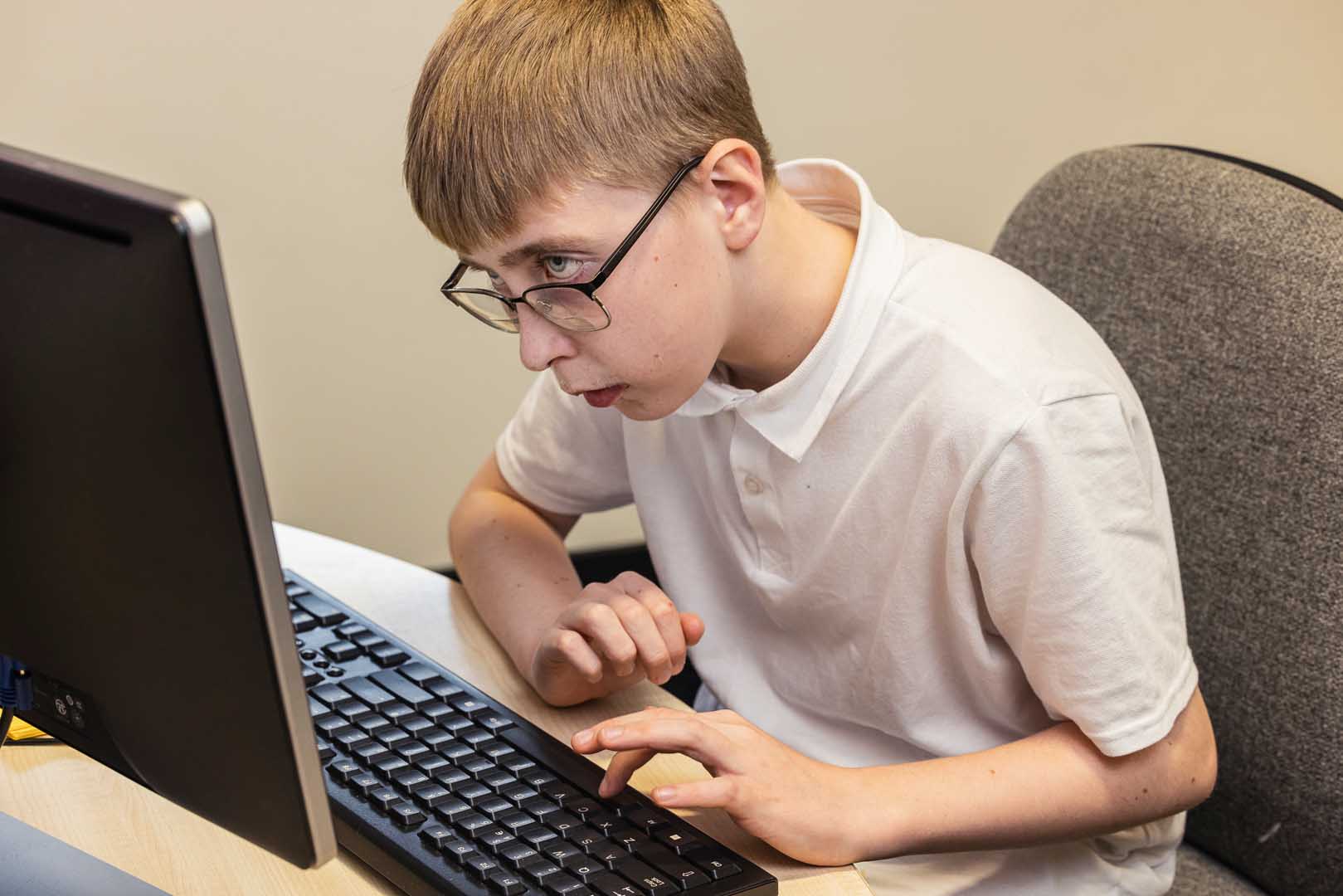
In ICT, students learn how to keep themselves safe and to navigate the digital world in all phases. In phases 2 and 3, students explore how to keep themselves and personal information secure, create documents, navigate the internet and be creative with computers.
RE
Throughout Phase 2 students follow a scheme of work based around 3 key areas: knowledge of religion, understanding others and local faith. In phase 3 students begin to learn about comparing and using all of this knowledge to develop understanding of the wider world as well as how faith and belief can impact on their own lives.
History
Throughout Phase 2 and 3 students follow a scheme of work based around 3 key areas. Each term a different topic is covered, looking at how British society has been affected in the past, significant people in the world, and how civilisations/countries have influenced Britain and the rest of the world.
Geography
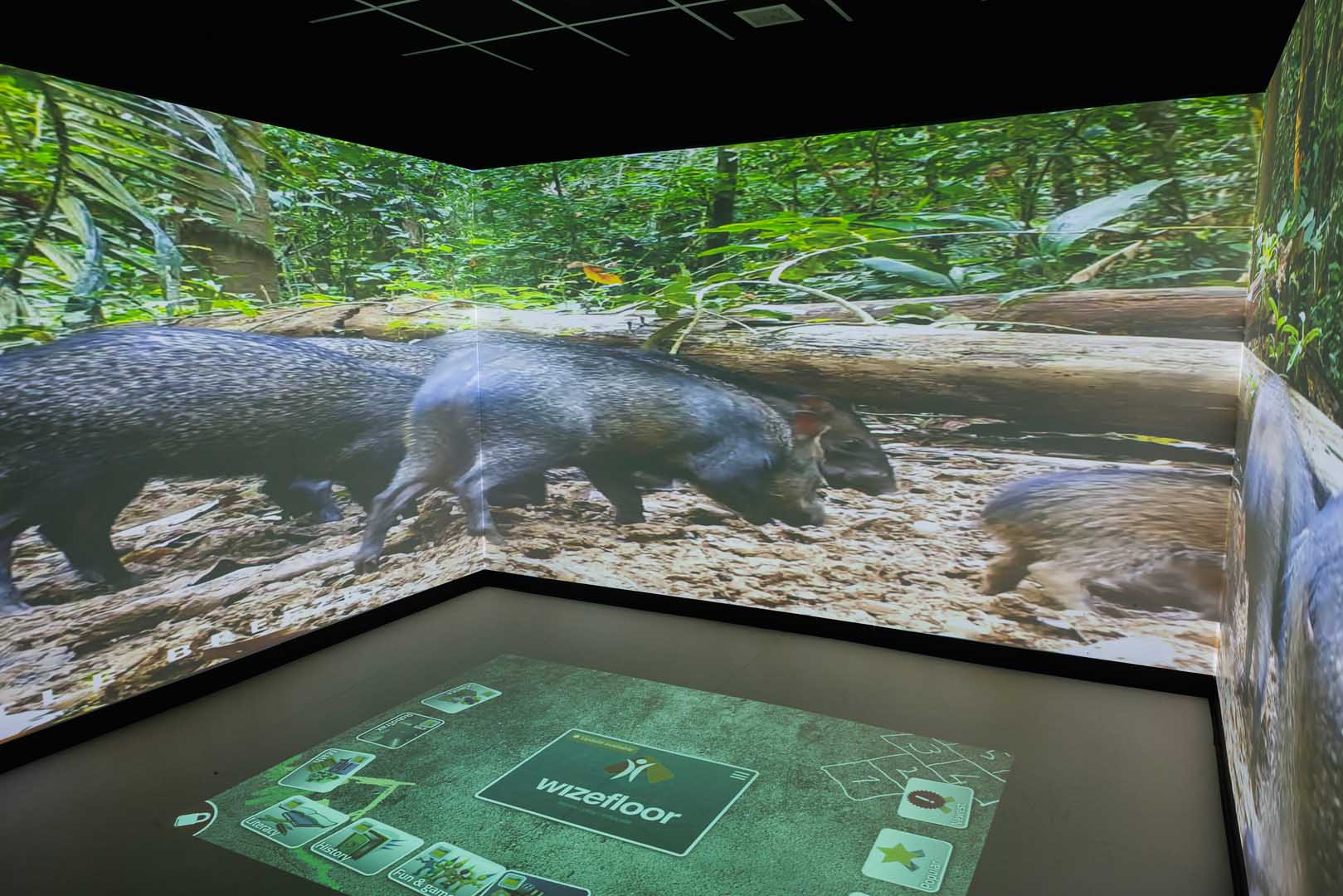
Throughout Phase 2 and 3, students follow a scheme of work based around 3 key areas. Each term there is a different aspect of geography covered, firstly, looking at the world around us and where we would like to live and visit. We then look at developing map and navigational skills so that students can use them effectively in their social lives, leisure and work. Finally, having an insight into the management of a range of natural resources and environments; and the jobs that are connected to them.
PE
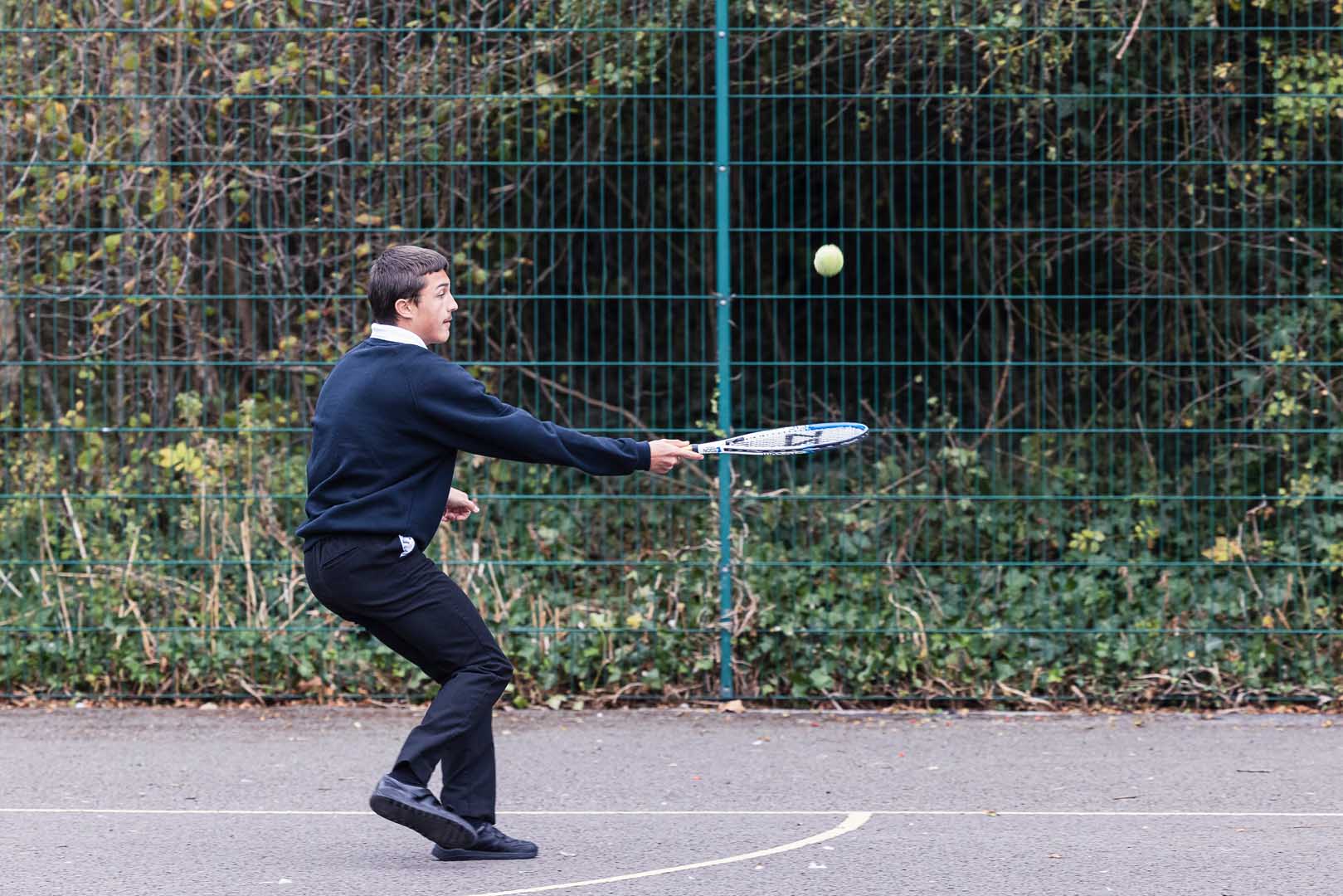
The intent of our PE curriculum is to deliver a curriculum which is accessible to all. Students develop skills which will enable individuals to manage /cope with everyday tasks and expectations by leading a healthy active lifestyle. They are encouraged to solve problems both individually and with others, demonstrating leadership skills which will be needed in working life, and finally have an appreciation for rules and fair play in sport and society.
PSHE
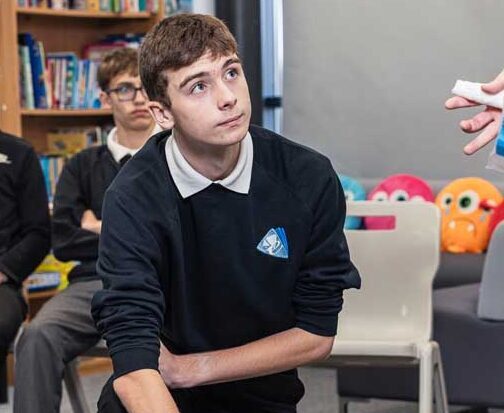
In PSHE throughout phase 2 and 3 students follow a scheme of work based around 3 key areas: Exploring Relationships, Living in the Wider World and Health and Wellbeing. The curriculum is aimed at developing students to become healthy adults who have an understanding of physical and mental health as well as keeping themselves safe online and in the real world.
Music
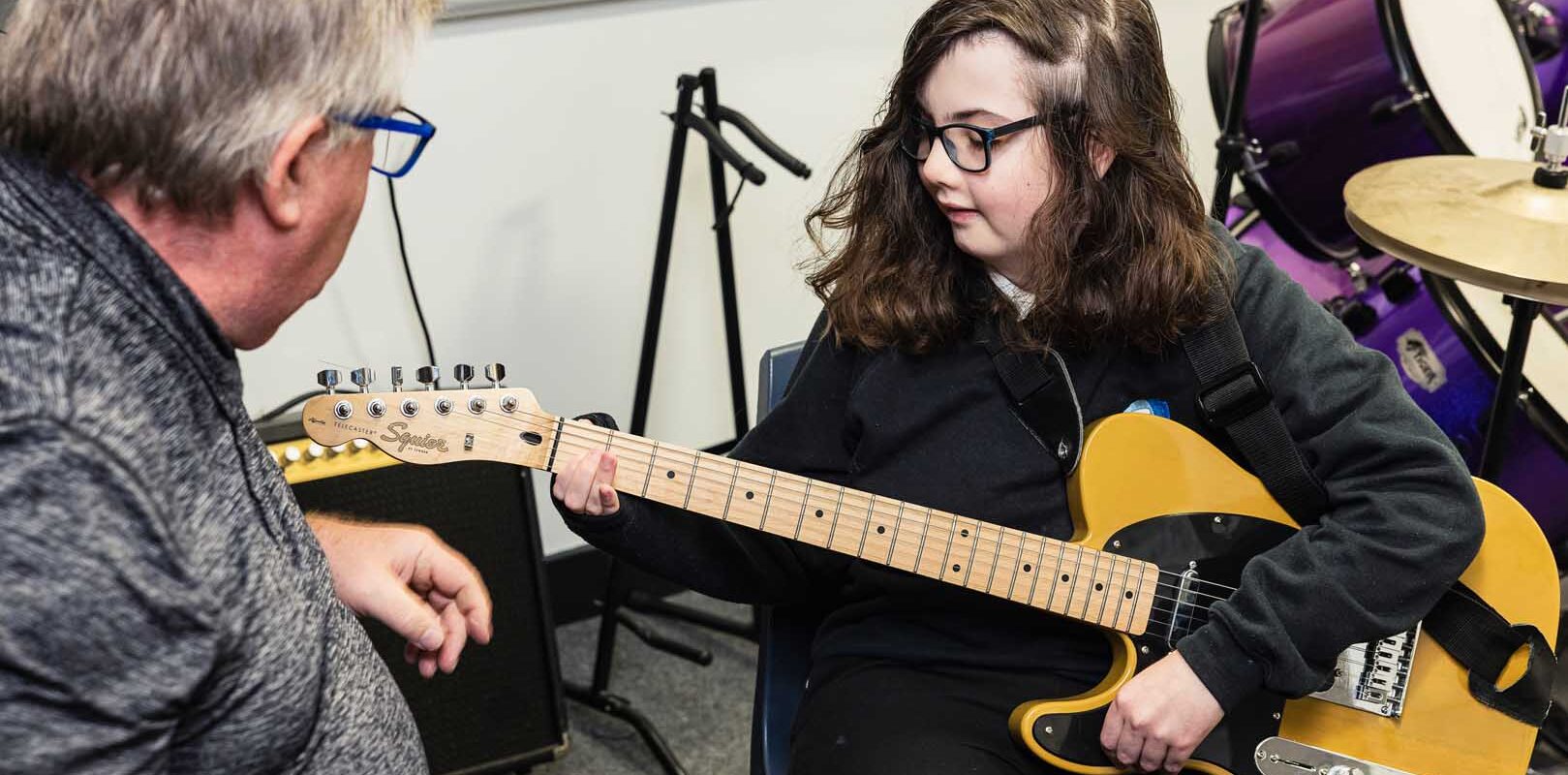
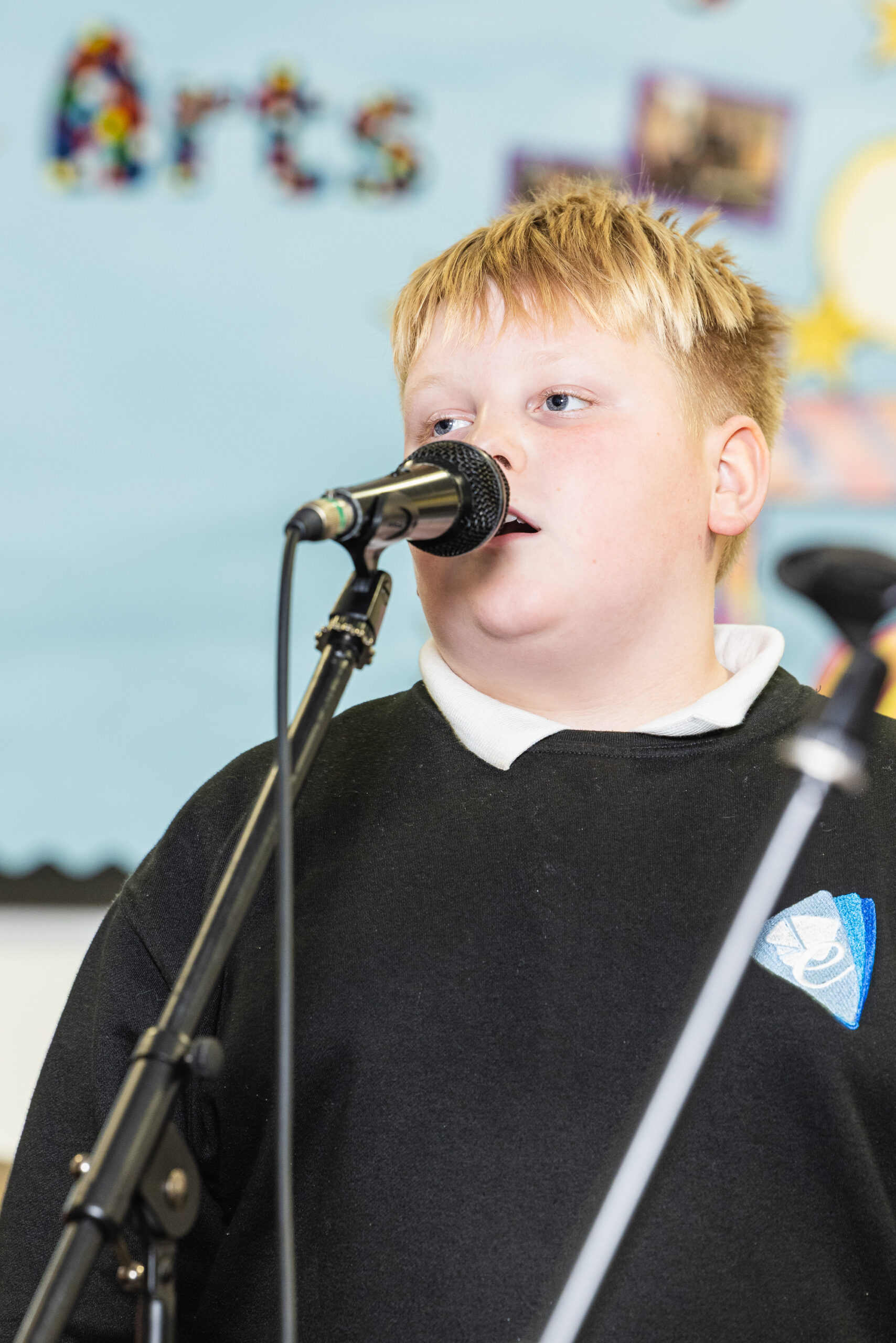
In Music at Epinay, students follow an exciting curriculum that covers a wide variety of musical genres, including World Music. The emphasis is on practical music, with opportunities to explore the fundamentals of music from an early age; Listening and Appraising, Performing and Composing. Our music curriculum is designed to promote wellbeing through creativity and plays a strong part in helping students to manage their emotions.
Students can experience music on all levels and are encouraged to develop confidence and self-esteem that can be transferred to all aspects of learning and eventually adult life.
Students work towards a termly performance in front of an audience, where they can perform and express themselves whilst communicating with the wider community.
Lifeskills
Lifeskills
Description needed
Core Phase 4 & 5
Maths
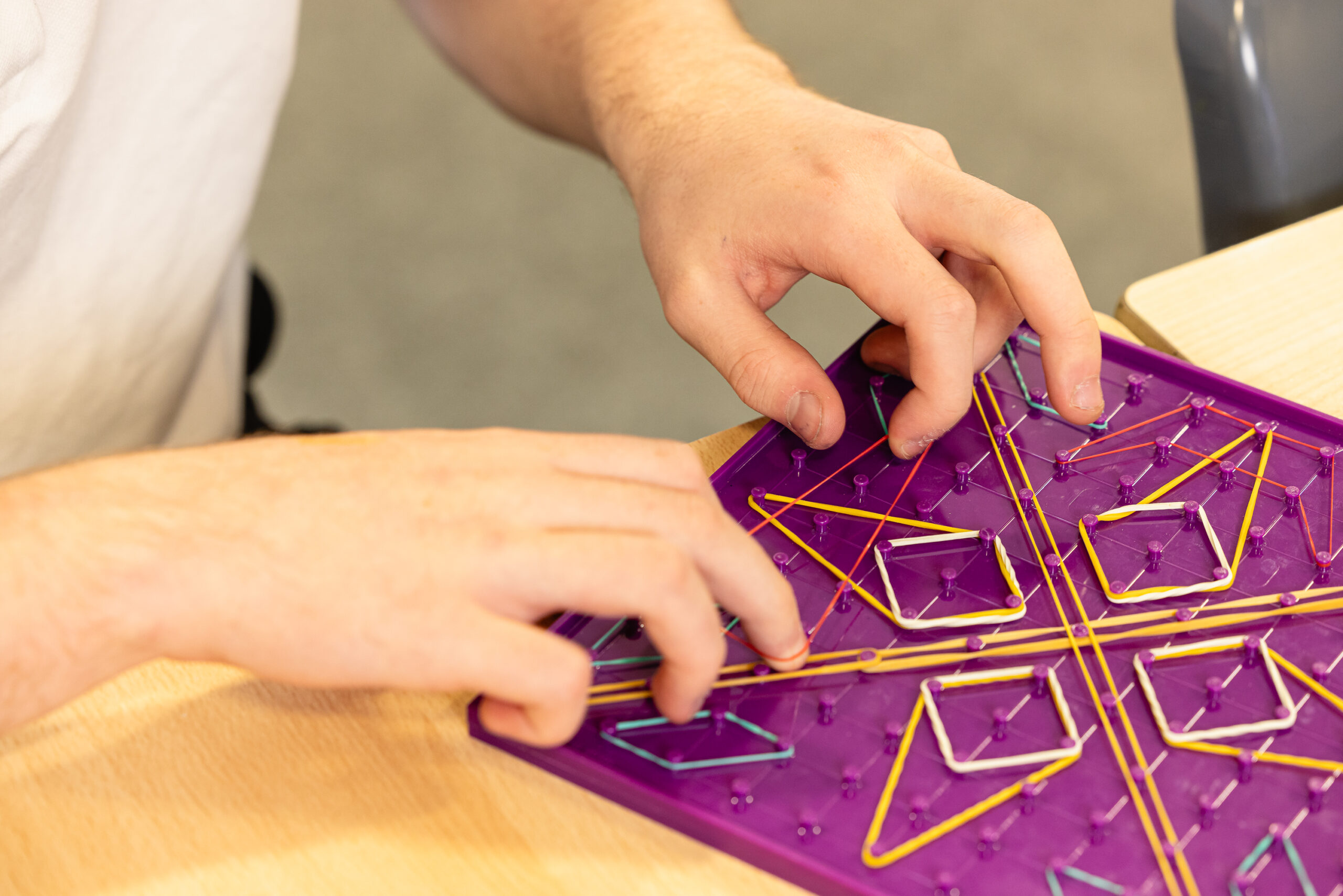
Students work towards qualifications in maths suitable for their level of learning. Typically, students start with an Entry Level qualification in Phase 4, then move to Functional skills level 1 qualification if they are ready to do so. Students who stay with us or join us in Phase 5 work on the next level of qualification up to what they have achieved. Maths at Phase 4 and 5 is very much aimed at preparing students for adulthood, ensuring there are a lot of opportunities for using maths in real life situations.
English
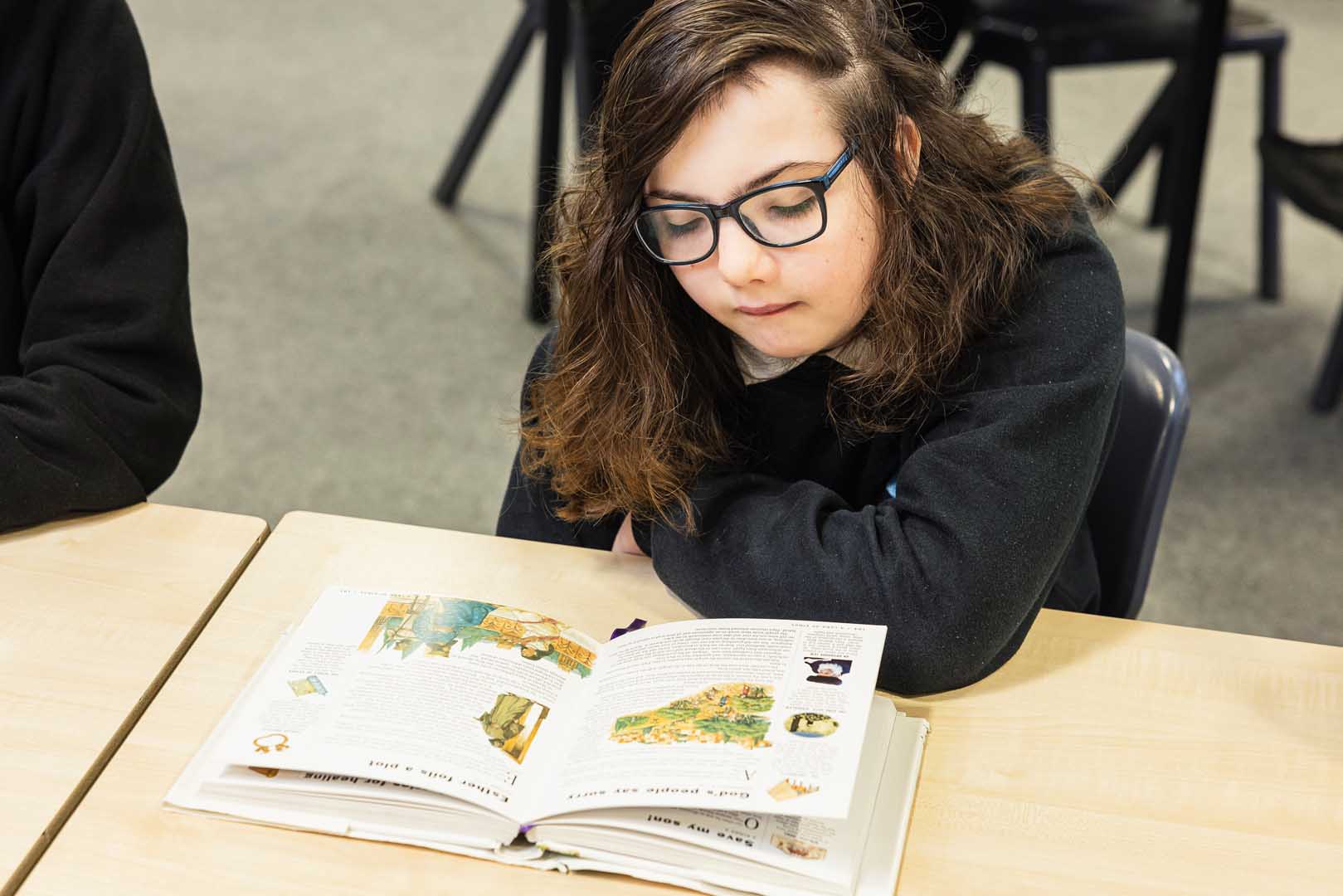
Students work towards qualifications in English that are suitable for their level of learning. In Phase 4, students start with Entry Level English, which is made up of units of reading, writing as well as speaking and listening. After this, they progress into NOCN English Units then into Functional Skills units, if they are ready to do so. English at Phase 4 and 5 very much focuses on functional English skills as well as an enjoyment of a variety of reading texts.

Science
In phase 4, students undergo an Entry Level Certificate in Science, which builds on themes introduced in earlier years and assesses students’ experimental thought and practical skills. The syllabus is split into chemistry, biology and physics and the students complete coursework and an exam for each science. Each science provides students with a grounding in relevant science topics that will keep students safe in their lives and inform them about health, the animal world and materials.
PSHE
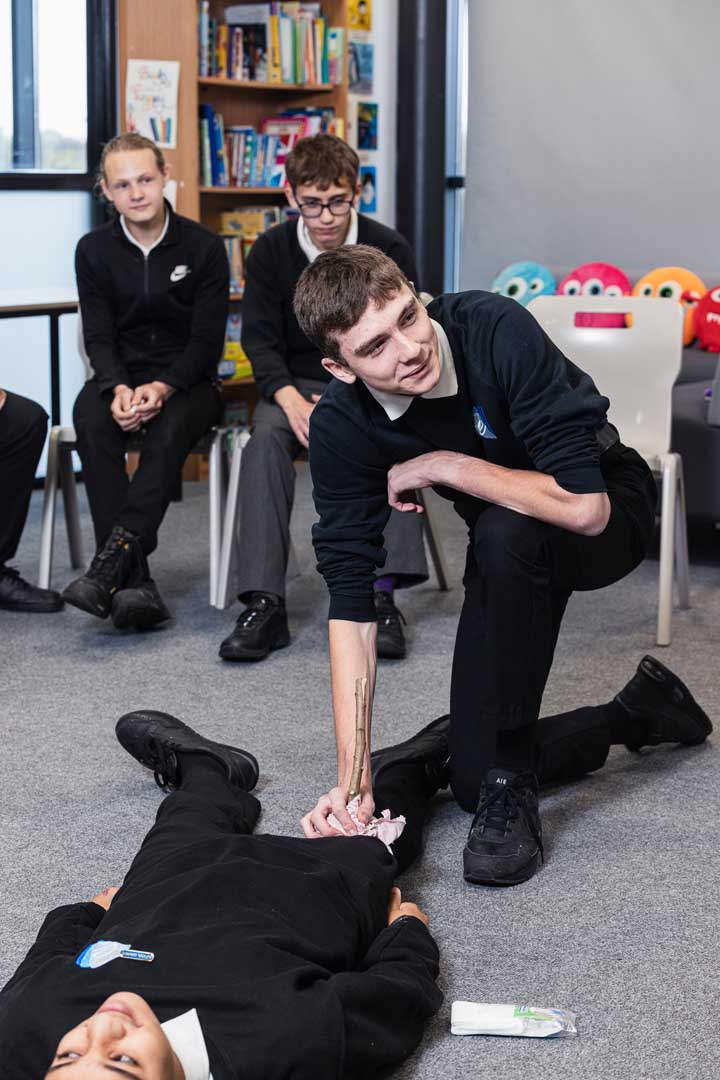
In phase 4, students work towards Entry 3 Qualification in Independent living, completing units on Rights and Responsibilities and Accessing Health. Students then complete the following topics after they have completed their qualification to prepare them for adulthood including sexual health, risks in the community and careers.

RE
In RE students work towards a NOCN level 1 award in Religious education. This brings together all of the learning and knowledge that students have acquired over their school education. The qualification heavily focuses on ethics and spirituality as well as individual thoughts and opinions about religion and culture. Current affairs are used to keep the learning relevant for students and they use suitable research skills to understand more about religious and cultural festivals around the world.
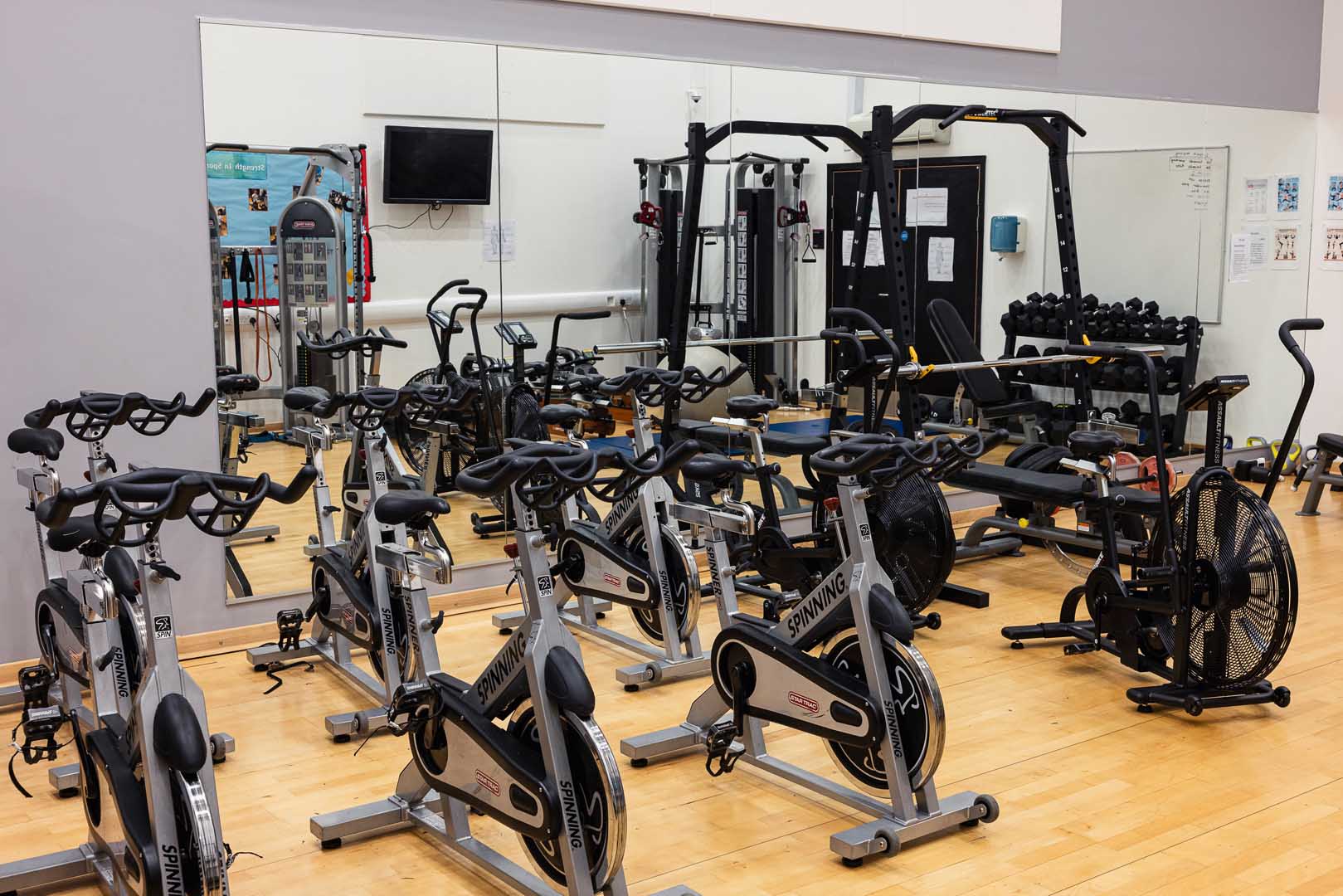
PE
The core PE offer in phases 4 and 5 aims to encourage pupils to be ‘fit for life’. They are exposed to a range of sports and fitness sessions which they will be able to take part in within the local community in preparation for adulthood. We make use of the sports hall for team games, our fitness suite for strength training and also try to use outdoor spaces so that students can see the benefits of being out in the fresh air to exercise.
Vocational options and qualifications
AQA Entry Level Certificate Art and design (Photography)
Students work towards an OCR Entry Level award in art and design (the photography strand) Students will learn how to take photos with a camera, edit and manipulate them, they will work towards given themes to create a portfolio of evidence. In the later stages of the accreditation, students will respond to an externally set task (provided by OCR).
AQA Entry Level Certificate History
Students work towards an Entry level 3 qualification in History. There are 3 externally set tasks, Crime and Punishment – thematic study, The Vikings – depth Study and an individual person study.
AQA Entry Level Certificate PE
Our Entry Level Certificate in Physical Education will inspire and engage students by providing a broad, coherent, satisfying and worthwhile course of study. Students study 4 different sports in depth and analyse performance.
Sports Leaders Award
Phase 4 students study Level 1 sports leadership award. With Sports Leadership, students have the chance to use sports and physical activity as a way to develop the essential skills they need to plan, develop and deliver activities and bring these benefits to their communities.
Duke of Edinburgh Award bronze
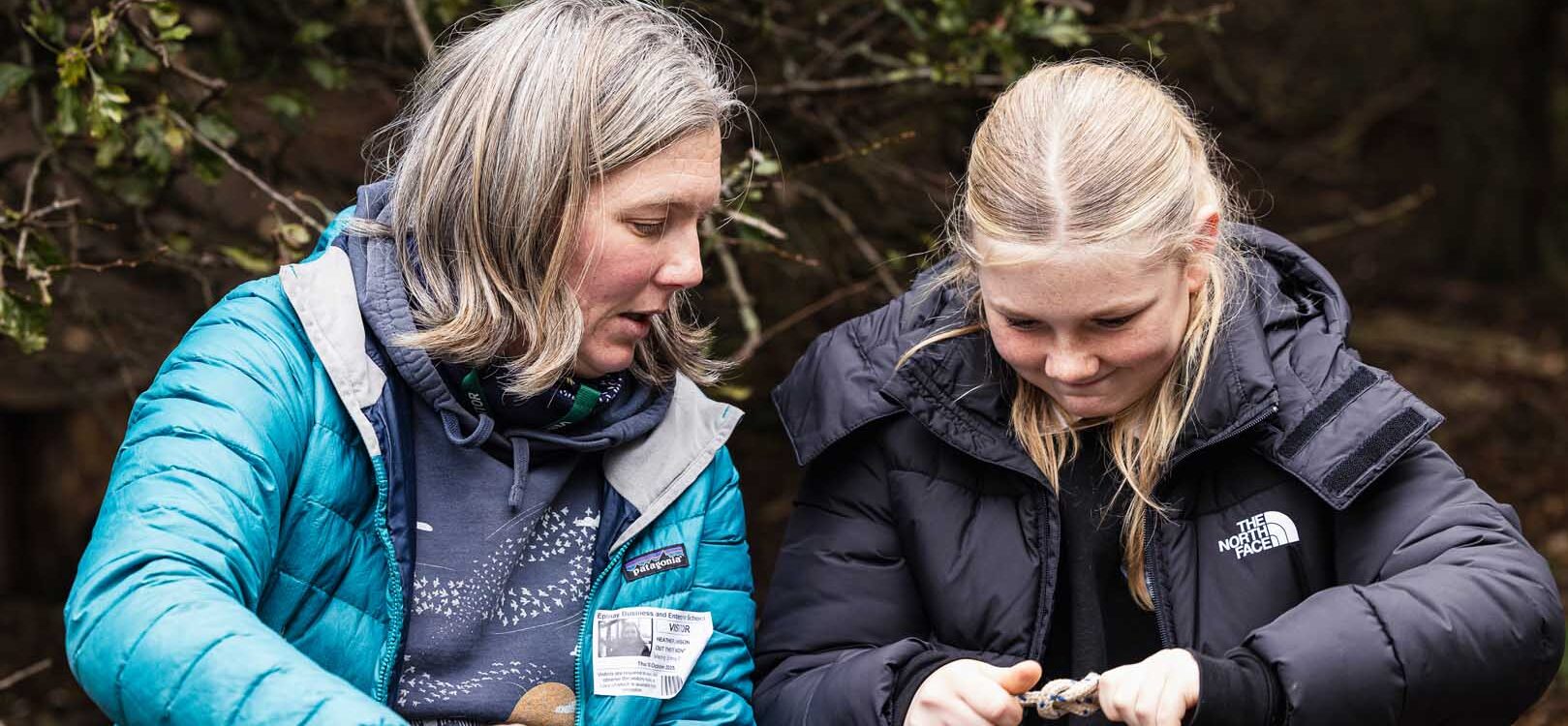
Students work towards the Duke of Edinburgh Bronze Award which consists of 4 elements. Students complete 3 months of volunteering, physical, skill and then complete a 2 day expedition which they plan and complete in a team. The qualification is designed to build students confidence, teamwork, and leadership skills, making it valuable for future job or further education applications.
Arts award (performing arts)
Phase 4 students work towards achieving a Bronze Arts Award in Performing Arts. This is a level 1 qualification that develops young people’s artistic abilities alongside their research and communication skills. Through Performing Arts, students actively involve themselves in performances, and the planning processes involved in putting on and experiencing live shows. Students will experience being an audience member, review performances and take on leadership roles where they are encouraged to share skills and opinions with others.
This qualification develops art form knowledge and creativity alongside reflective practice, problem-solving skills and confidence. Students will complete a portfolio as their Arts Award journey progresses, explaining what they’ve seen, done and learned along the way.
Lifeskills qualification as part of OCR life and living skills
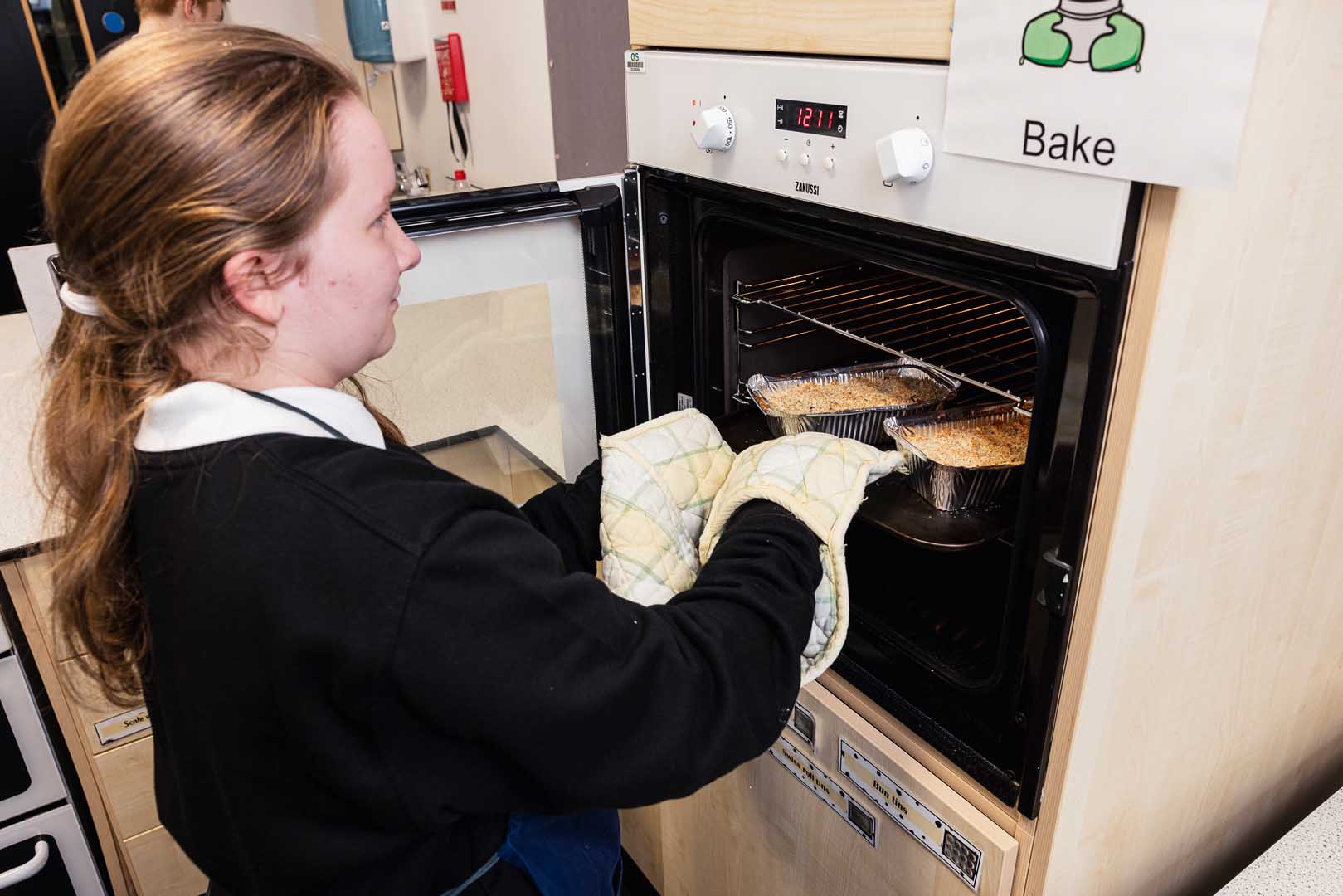
Students work towards an Entry Level qualification in Life Skills that aims to promote and develop skills and knowledge in preparation for adulthood. This can include a range of topic areas including healthy living, household care, cookery and relationships.
NOCN Level 1 award or certificate in Horticulture
Students work towards a level 1 award or certificate in Horticulture. They learn a variety of skills including, health and safety in the garden, planting and propagating, different soil types, using different types of growing media for different purposes, how to maintain and repair tools and pruning. As well as completing theory based work they use their skills in the school grounds to further expand their knowledge.
DT as part of award or certificate in preparing for further learning of employment qualification
Students complete 5 units for this qualification which broadens their knowledge and skills in the design and manufacture industry.
Art as part of award or certificate in preparing for further learning of employment qualification
Students explore all creative units within this qualification covering many of the different Art mediums. For each unit, students complete both practical and written work for Drawing, Textiles, Art appreciation and Ceramics. There is also a mandatory unit where students explore further learning opportunities and personal qualities.
Pearson Level 2 home cooking skills
Students work towards a Level 2 BTEC qualification in home cooking skills. Students learn a variety of cooking skills throughout the course e.g. weighing, measuring, knife skills, whilst preparing and cooking dishes each week e.g. chicken fajitas, lasagne, curry. Students are taught how to prepare for adulthood with regards to making shopping lists, reading recipes, budgeting and economising. Students complete one coursework task which is to plan, prepare, cook and evaluate a 2 course meal.
Pearson digital Functional skills in ICT
In phase 4, students may decide to undergo a Digital Functional Skills qualification from Pearson in which they learn higher-level skills first begun in earlier years. The syllabus has recently been redesigned to provide students with the most relevant, up-to-date skills required in modern computing and the online world, such as digital footprints, online document creation and networking.